-
 Exposition of the Sacred relics of St Francis Xavier 2014, Goa
The body of St Francis Xavier (born on 7th April 1506 in Spain) which miraculously defied the laws of nature, of turning into dust, lies till this day in a silver casket in the Church of Bom Jesus Basilica in Goa, India. The exposition of the sacred relics of St. Francis Xavier which is held every 10 years and this will be the 17th public Exposition.
This sacred relics will be shifted in a solemn procession to the Se Cathedral, for veneration from 22nd of November 2014 till 4th of January 2015 (6 am to 7 pm). Ceremonies to honor his death are performed on 3rd December, all over the World.

-
Basilica of Bom Jesus, Old Goa

Bom Jesus Basilica is a UNESCO World Heritage Centre in Goa, India.


-
Se Cathedral, Old Goa
Se Cathedral is a UNESCO World Heritage Centre in Goa, India.


-
Incorrupt bodies of Saints
There are more than 250 in-corrupt bodies of Christian saints all over the world. That is their bodies did not decompose after death.
Eg : St. Agatha, St. Clare of Assisi, St. Maria Goretti, St. John Vianney, St. Catherine of Bologna, St. Catherine of Saina, St. Rose of Lima, Rita of Cascia.
-
St. Francis Xavier
St. Francis Xavier is also known as the Apostle to the Far East. He founded the Jesuit order of missionary. He died at Sancian island on 2 Dec 1552 at the age of 46 due to fever. He was buried there in a wooden coffin and on 11 Dec 1553, his body was shifted to Goa.
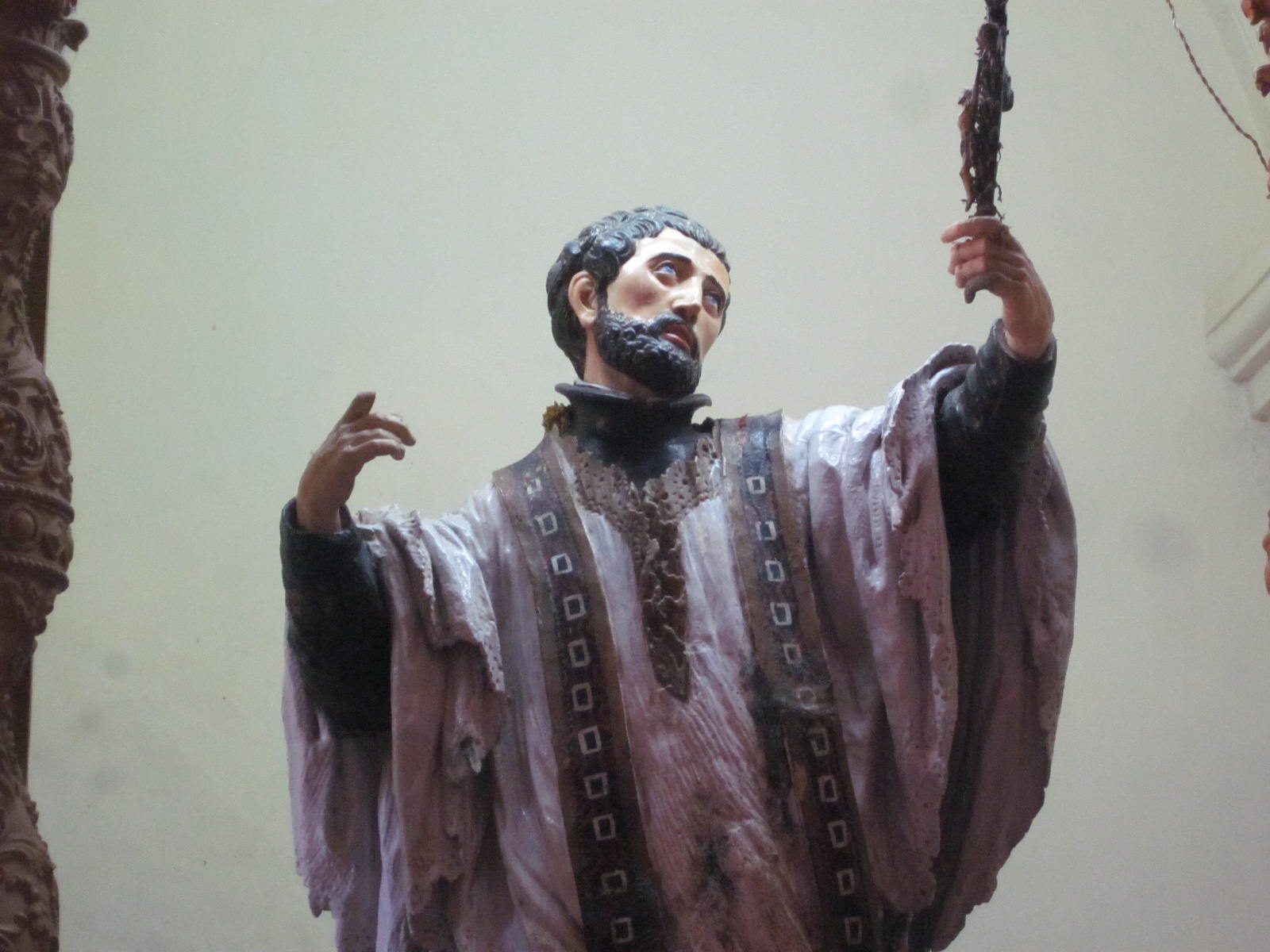
He was canonized on 12 March 1622 by Pope Gregory XV. The incorrupt body is now placed in a glass container encased in a silver casket at Bom Jesus Basilica on 2 Dec 1637.
-
Forensic view of the rate of decay after death
The rate of decay within the human body after death is normally split into two distinct categories. These are:
Autolysis: A process of self-digestion where the body's enzymes contained within cells begin to go into a post death meltdown. The process can be speeded up by extreme heat and likewise slowed down by extreme cold.
Putrefaction: Bacteria that escape from the body's intestinal tract after the deceased has died are released into the body and begin the process of literally melting the body down.
If you are of a nervous disposition you may choose not to read on.
What is Putrefaction?
Putrefaction follows a predetermined timetable in nature and after the first 36 hours the neck, the abdomen, the shoulders and the head begin to turn a discoloured green. This is then followed by bloating – an accumulation of gas that is produced by bacteria toiling away within the deceased. This bloating is most visible around the face where the eyes and the tongue protrude as the gas inside pushes them forward.
As the body continues to putrefy, the skin blisters, hair falls out and the fingernails of the deceased began to sink back into the fingers. These skin blisters are also filled with large amounts of liquid just as in a blister you might get from running or walking too far.
The body's skin tone then becomes what is known as 'marbled'; an intricate pattern of blood vessels in the face, abdomen, chest and other extremities becomes visible. This is the result of the body's red blood vessels breaking down, which in turn
release Haemoglobin.
As the process reaches its conclusion, the body will now be almost black-green and the fluids – known as purge fluid – will drain from the corpse. This happens normally from the mouth and nose but can also occur from other orifices. The body's tissues then begin to break open and will release gas and other fluids in the same way as a fruit that has been left too long in the sun.
It is also important to note that the internal organs of the deceased will begin to decay in a particular order; beginning with the intestines, which as well as holding bacteria also hold various levels of acidic fluid which – when unable to circulate – begin to eat through their surrounding tissues. As the intestinal organs decay so too do the liver, kidneys, lungs and brain. The contents of the stomach may also slow down the rate of decay if there is undigested food in and around that area.
2-3 days: green staining begins on the right side of the abdomen. Body begins to swell.
3-4 days: staining spreads. Veins go "marbled" - a browny black discoloration
5-6 days: abdomen swells with gas. Skin blisters
2 weeks: abdomen very tight and swollen.
3 weeks: tissue softens. Organs and cavities bursting. Nails fall off.
4 weeks: soft tissues begin to liquefy. Face becoming unrecognisable
4-6 months: formation of adipocere, if in damp place. This is when the fat goes all hard and waxy.
Tags for this Thread
 Posting Permissions
- You may not post new threads
- You may not post replies
- You may not post attachments
- You may not edit your posts
-
Forum Rules



 Reply With Quote
Bookmarks