-

9. Luxor, Egypt (before 2160 B.C.)
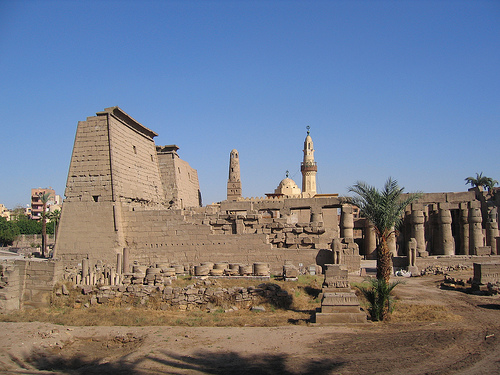
Luxor, previously known as the ancient city of Thebes, the glorious city of
the God Amon Ra, has been a hot tourist destination since tourism began.
The area started attracting tourists ever since the Greek and Roman
periods. Luxor is one of the most popular cities in Egypt, its stars being
the monuments of Luxor, Karnak, Hatshepsut and Ramses III. There’s no
wonder the city is often referred to as the world’s greatest open air
museum, having a great number of well-preserved monuments. The city
in itself actually consists of three distinct areas: the City of Luxor on the
East side of the Nile, the town of Karnak and Thebes on the west side of
the Nile, across from Luxor. You can bargain your way for anything in the
city’s bazaar or enjoy the vegetarian paradise Luxor’s restaurants offer its
tourists.
10. Lisbon, Portugal (2000 B.C.?)
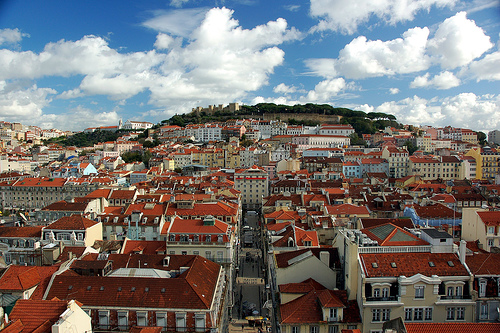
Set on seven low hills, on the north banks of the River Tagus, Lisbon’s
charm is strongly linked to the past. Lisbon was first inhabited by Iberian
people, responsible for building the megaliths. After centuries of growing,
Lisbon is now one of the liveliest cities in Europe. The renovated palaces,
magnificent churches and Art Nouveau buildings are just a few of the
things that make up the city’s cultural heritage. There’s an impressive
collection of ancient and modern art in many of the city’s museums such
as the Calouste Gulbenkian Museum, the National Coach Museum, and the
Carmo Archaeological Museum. When you’ve seen all the cultural
attractions, be sure to head down to Bairro Alto, the center of nightlife,
packed with restaurants, bars and clubs. There are also plenty of shopping
opportunities either for local merchandise at the Campo de Santa Clara or
famous brands in the Centro Commercial Colombo.
Tags for this Thread
 Posting Permissions
- You may not post new threads
- You may not post replies
- You may not post attachments
- You may not edit your posts
-
Forum Rules



 Reply With Quote
Bookmarks